
Conditions we treat
Dr S. Jamshidi's Specialties:
Geriatric Medicine
Neurological Surgery
Psychiatry

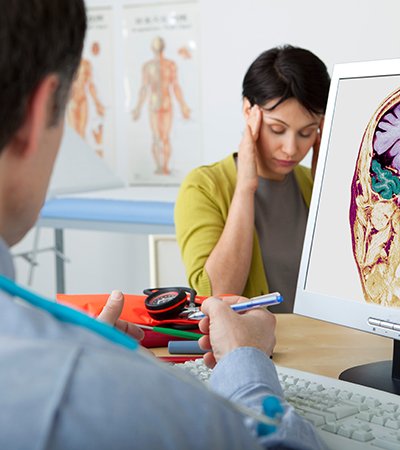
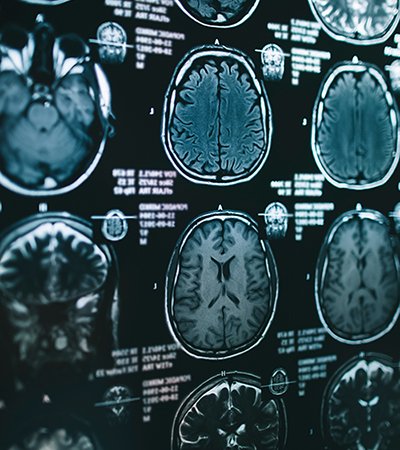

Who are Neurosurgeons
Neurosurgeons treat disorders of the brain and nervous system, meninges, skull, pituitary gland, spinal cord, meninges and vertebral column, and cranial and spinal nerves. They use minimally invasive surgery, neuroradiology imaging like CT, MRI, PET, MEG.
Patients may go to a neurosurgeon for conditions like hemorrhages, hydrocephalus, head or spinal cord trauma, spinal disc herniation, infections, and tumors.
Hemorrhages
Hydrocephalus
Head or spinal cord trauma
Spinal disc herniation
Infections
Tumors
Spinal bone spurs (osteophytes)
Carpal tunnel syndrome
Cerebrospinal fluid (CSF) leak
Chronic pain in your back or neck
Congenital brain conditions
Congenital spinal column conditions
Sciatica
Seizure disorders, such as epilepsy
Essential tremor
Herniated disks
Hydrocephalus
Intracranial aneurysms
Multiple sclerosis (MS)
Parkinson’s disease
Pinched nerves
Brain and spinal cord tumors
Brain and spinal cord tumors are abnormal growths of tissue found inside the skull or the bony spinal column. The word tumor is used to describe both abnormal growths that are new (neoplasms) and those present at birth (congenital tumors). No matter where they are located in the body, tumors are usually classed as benign (or non-cancerous) if the cells that make up the growth are similar to other normal cells, grow relatively slowly, and are confined to one location. Tumors are called malignant (or cancerous) when the cells are very different from normal cells, grow relatively quickly, and can spread easily to other locations.
In most parts of the body, benign tumors are not particularly harmful. This is not necessarily true in the brain and spinal cord, which are the primary components of the central nervous system (CNS). Because the CNS is housed within rigid, bony quarters (that is, the skull and spinal column), any abnormal growth can place pressure on sensitive tissues and impair function. Also, any tumor located near vital brain structures or sensitive spinal cord nerves can seriously threaten health. A benign tumor growing next to an important blood vessel in the brain does not have to grow very large before it can block blood flow. Or, if a benign tumor is found deep inside the brain, surgery to remove it may be very risky because of the chances of damaging vital brain centers. On the other hand, a tumor located near the brain’s surface can often be removed surgically.
An important difference between malignant tumors in the CNS and those elsewhere in the body lies with their potential to spread. While malignant cells elsewhere in the body can easily seed tumors inside the brain and spinal cord, malignant CNS tumors rarely spread out to other body parts. Brain and spinal cord tumors cause many diverse symptoms, which can make detection tricky. Whatever specific symptoms a patient has, the symptoms generally develop slowly and worsen over time.
Brain tumors
Brain tumors can cause a bewildering array of symptoms depending on their size, type, and location. Certain symptoms are quite specific because they result from damage to particular brain areas. Other, more general symptoms are triggered by increased pressure within the skull as the growing tumor encroaches on the brain’s limited space or blocks the flow of cerebrospinal fluid (fluid that bathes the brain and spinal cord).
Some of the more common symptoms of a brain tumor include:
Headaches More than half of people with brain tumors experience headaches. Because the skull cannot expand, the growing mass places pressure on pain-sensitive areas. The headaches recur, often at irregular periods, and can last several minutes or hours. They may worsen when coughing, changing posture, or straining. As the tumor grows, headaches often last longer, become more frequent, and grow more severe.
Seizures The abnormal tissue found in a brain tumor can disrupt the normal flow of electricity through which brain cells communicate. The resulting bursts of electrical activity cause seizures with a variety of symptoms, such as convulsions, loss of consciousness, or loss of bladder control. Seizures that first start in adulthood (in a patient who has not been in an accident or had an illness that causes seizures) are a key warning sign of brain tumors. Sometimes, seizures are the only sign of a slowly growing brain tumor.
Nausea and Vomiting Increased pressure within the skull can cause nausea and vomiting. These symptoms sometimes accompany headaches.
Vision or Hearing Problems. Increased intracranial pressure can also decrease blood flow in the eye and trigger swelling of the optic nerve, which in turn causes blurred vision, double vision, or partial visual loss. Tumors growing on or near sensory nerves often trigger visual or hearing disturbances, such as ringing or buzzing sounds, abnormal eye movements or crossed eyes, and partial or total loss of vision or hearing. Tumors that grow in the brain’s occipital lobe, which interprets visual images, may also cause partial vision loss.
Behavioral and Cognitive Symptoms Because they strike at the core of the individual’s identity, changes in behavior and personality can be the most frightening and devastating symptoms of a brain tumor. These symptoms usually occur when the tumor is located in the brain’s cerebral hemispheres, which are responsible, in part, for personality, communication, thinking, behavior, and other vital functions. Examples include problems with speech, language, thinking, and memory, or psychotic episodes and changes in personality.
Motor Problems When tumors affect brain areas responsible for command of body movement, they can cause motor symptoms, including weakness or paralysis, lack of coordination, or trouble with walking. Often, muscle weakness or paralysis affects only one side of the body.
Balance Problems Brain tumors that disrupt the normal control of equilibrium can cause dizziness or difficulty with balance.
Spinal Cord Tumors
The spinal cord is, in part, like a living telephone cable. Lying protected the bony spine, it contains bundles of nerves that carry messages between the brain and the body’s nerves, such as instructions from the brain to move an arm or information from the skin that signals pain. A tumor that forms on or near the spinal cord can disrupt this communication. Often, these tumors exert pressure on the spinal cord or the nerves that exit from it; sometimes, they restrict the cord’s supply of blood.
Common symptoms that result from this include:
Pain Normally, the spinal cord carries important warnings about pain from the body’s nerves to the brain. By putting pressure on the spinal cord, a tumor can trigger these circuits and cause pain that feels as if it is coming from various parts of the body. This pain is often constant, sometimes severe, and can have a burning or aching quality. Sensory changes. Many people with spinal cord tumors suffer a loss of sensation. This usually takes the form of numbness and decreased skin sensitivity to temperature.
Motor Problems Since the nerves control the muscles, tumors that affect nerve communication can trigger a number of muscle-related symptoms. Early symptoms include muscle weakness; spasticity in which the muscles stay stiffly contracted; and impaired bladder and/or bowel control. If untreated, symptoms may worsen to include muscle wasting and paralysis. In addition, some people develop an abnormal walking rhythm known as ataxia. The parts of the body affected by these symptoms vary with tumor location along the spinal cord. In general, symptoms strike body areas at the same level or at a level below that of the tumor. For example, a tumor midway along the spinal cord (in the thoracic spine) can cause pain that spreads over the chest in a girdle-shaped pattern and gets worse when the individual coughs, sneezes, or lies down. A tumor that grows in the top fourth of the spinal column (or cervical spine) can cause pain that seems to come from the neck or arms. And a tumor that grows in the lower spine (or lumbar spine) can trigger back or leg pain.
Lower back Pain LBP
It is the most expensive benign condition in industrialized countries and the most common cause of disability in persons younger than 45 years. It is defined as pain that persists longer than 12 weeks and often is attributed to degenerative or traumatic conditions of the spine. Fibrositis, inflammatory spondyloarthropathy, and metabolic bone conditions also are cited as causes. Patients with mechanical LBP often prefer to lie still in bed, while those with a vascular or visceral cause are often found writhing in pain, unable to find a comfortable position. Unrelenting pain at rest should generate suspicion for a serious cause such as cancer or infection.
Diagnostic "Red flags"
- Pain unrelieved by rest or any postural modification
- Pain unchanged despite treatment for 2-4 weeks
- “Writhing” pain behavior
- Colicky pain or pain associated with a visceral function
- Known or previous cancer
- Fever or immunosuppressed status
- High risk for fracture (e.g., older age, osteoporosis)
- Associated malaise, fatigue, or weight loss
- Progressive neurological impairment
- Bowel or bladder dysfunction
- Severe morning stiffness as primary complaint
- Unable to ambulate or care for self
Alzheimer Disease
It is the most common cause of dementia, which is an acquired cognitive and behavioral impairment of sufficient severity to interfere significantly with social and occupational functioning. At present, the disorder afflicts approximately 5 million people in the United States and more than 30 million people worldwide. A larger number of individuals have lesser levels of cognitive impairment, which frequently evolve into a full-blown dementia, thereby increasing the number of affected persons. Prevalence of this disorder is expected to increase substantially in this century, since the disorder preferentially affects the elderly, who constitute the fastest growing age bracket in many countries, especially in industrialized nations. For example, statistical projections indicate that the number of persons affected by the disorder in the United States will nearly triple by the year 2050.
AD most commonly presents with insidiously progressive memory loss, to which other spheres of cognitive impairment are added over the course of several years. Functions commonly affected after the development of memory loss include language disorders (e.g., anomia, progressive aphasia) and impaired visuospatial skills and executive functions. Substantially rarer presentations include right parietal lobe syndrome, progressive aphasia, spastic paraparesis, and impaired visuospatial skills, subsumed under the so-called visual variant of AD. These latter, unusual presentations often present a diagnostic challenge, since they are not covered under the guidelines for the clinical diagnosis of the disease. Therefore, their diagnosis necessitates histopathologic confirmation or is made at the time of autopsy, disconfirming previous diagnoses (e.g., primary progressive aphasia, cerebrovascular conditions, prion disorders) made on purely clinical grounds.
Autism
Autism is classified as one of the pervasive developmental disorders of the brain. It is not a disease. People with classical autism show three types of symptoms: impaired social interaction, problems with verbal and nonverbal communication, and unusual or severely limited activities and interests. These symptoms can vary in severity. In addition, people with autism often have abnormal responses to sounds, touch, or other sensory stimulation. Symptoms usually appear during the first three years of childhood and continue through life. Studies of people with autism have found abnormalities in several regions of the brain, which suggest that autism results from a disruption of early fetal brain development. Autism affects an estimated 10 to 20 of every 10,000 people, depending on diagnostic criteria used, and strikes males about four times more often than females.
Brain Trauma
Most traumatic brain injuries are the result of motor vehicle accidents. During the accident, the head strikes something firm and resistant or the head rocks quickly backward and forward. Both events may occur together and this results in significant injury of the brain. As the brain moves forward and backward, white matter pathways are strained and tear. Certain parts of the brain also strike resistant parts of the skull and brain structures, such as the falx and anterior parts of the skull. The rotational injury produces mechanical trauma of the white matter and blood vessels within the white matter. Damaged blood vessels hemorrhage and this compresses the surrounding brain tissue. When the brain strikes the interior surface of the skull, this may also produce contusion and hemorrhage.
Dementia Related Illnesses
Dementia is a term used to describe a general decline of more than one cognitive function. Dementia-related illnesses are a class of diseases that have such a generalized, deleterious effect on the brain that they usually result in dementia. Most of these diseases also have an incidious onset of symptoms and a progressive loss of intellectual skills. The most common dementia related illnesses are Alzheimer’s disease and Multiple-infarction dementia. Some CNS infections also cause dementia, such as Jakob-Creutzfelt disease and viral encephalitis.
Meningitis and Septicaemia
Meningitis is inflammation of the meninges, the lining surrounding the brain. It can be caused by many different organisms including bacteria, viruses and fungi. Septicaemia is blood poisoning caused by bacteria entering the bloodstream and multiplying uncontrollably.
Meningitis and meningococcal septicaemia may not always be easy to spot at first, because the symptoms can be similar to those of flu. They may develop over one or two days, but sometimes develop in a matter of hours. The incubation period for bacterial meningitis is between 2 and 10 days and for viral meningitis it can be up to 3 weeks. Symptoms do not appear in any particular order and some may not appear at all. It is important to remember that other symptoms may occur.
In adults and older children (not all symptoms may be present):
- High temperature, fever possibly with cold hands and feet
- Vomiting
- Sometimes diarrhea
- Severe headache
- Neck stiffness (unable to touch the chin to the chest)
- Dislike of bright lights
- Drowsiness
- Joint or muscle pains, sometimes stomach cramps with septicaemia
- Fits
- The person may be confused or disorientated
Headaches
Tension Headache
A benign form of headache that results from the painful spasm (muscle tightness) and inflammation of muscles of the head and neck. Tension headache is one of the most common forms of headache. Spasm and contraction of the head and neck muscles may occur in response to fatigue, overuse, eyestrain, excessive smoking, stress, anxiety, or depression. Sleeping in an abnormal position or prolonged work involving immobilization of the neck in one position are considered common triggers.
Spinal Headache
A headache that can occur after a lumbar puncture is performed. Patients who lie flat on their stomach for one hour immediately after lumbar puncture, followed by 12 hours on their back, have a decreased incidence of spinal headaches.
Cluster Headache
A term used to describe a headache that is typified by constant, unilateral pain around the eye, with onset usually within 2-3 hours of falling asleep. Can be accompanied by a blocked nasal passage, runny nose, and-or tearing. One may also notice facial flushing, ptosis (dropping eyelid), facial swelling, and constriction of the pupils.
Sleep Disorder
Sleep disturbances occur in about 12% to 25% of the general population and are often associated with situational stress, illness, aging, and drug treatment. Poor sleep adversely affects daytime mood and performance. In the general population, persistent insomnia has been associated with a higher risk of developing clinical anxiety or depression. Sleep disturbances and, ultimately, sleep-wake cycle reversals, can be early signs of a developing delirium.
Four major categories of sleep disorders
Four major categories of sleep disorders have been defined by the Sleep Disorders Classification Committee:
- Disorders of initiating and maintaining sleep (insomnias)
- Disorders of the sleep-wake cycle
- Dysfunctions associated with sleep; sleep stages, or partial arousals (parasomnias)
- Disorders of excessive somnolence
Risk factors for sleep disorders
- Disease factors including paraneoplastic syndromes with increased steroid production; symptoms associated with tumor invasion (e.g., obstruction, pain, fever, shortness of breath, pruritus, fatigue)
- Treatment factors including symptoms related to surgery (e.g., pain, frequent monitoring, narcotics); chemotherapy (e.g., exogenous corticosteroids); symptoms related to chemotherapy
- Medications such as narcotics, sedatives/hypnotics, steroids, caffeine/nicotine, some antidepressants, dietary supplements including some vitamins, diet pills and other products promoting weight loss and appetite.
Narcolepsy
It is characterized by the classic tetrad of excessive daytime sleepiness, cataplexy, hypnagogic hallucinations, and sleep paralysis. Note that this tetrad is seen only rarely in children. The term “narcolepsy” is derived from Greek, “seized by somnolence.” Gelineau was the first to delineate the syndrome in 1880. Narcolepsy frequently is unrecognized, with a typical delay of 10 years between onset and diagnosis. Approximately 50% of adults with the disorder retrospectively report symptoms beginning in their teenage years. This disorder may lead to impairment of social and academic performance in otherwise intellectually normal children. The implications of the disease are often misunderstood by patients, parents, teachers, and health care professionals.
In patients with narcolepsy, severe EDS leads to involuntary somnolence during more active conditions such as eating and talking. Sleepiness in narcolepsy may be severe and constant, with paroxysms during which patients may fall asleep without warning (i.e., sleep attacks). Patients with narcolepsy tend to take short and refreshing naps (i.e., REM type naps) during the day. Cataplexy (Latin, “to strike down with fear”) is an abrupt attack of muscle weakness. If severe and generalized, it may cause a fall. More subtle forms exist with only partial loss of tone (e.g., head nod). The most characteristic feature of cataplexy is that it usually is triggered by emotions (usually laughter and danger). Sleep paralysis is the inability to move upon falling asleep or awakening with consciousness intact. It often is accompanied by hallucinations. Sleep paralysis occurs during REM sleep in healthy subjects. Sleep-related hallucinations may occur at sleep onset (i.e., hypnagogic) or awakening (i.e., hypnopompic) and are usually vivid (dreamlike) visual, auditory, or tactile in nature.
The classic picture of narcolepsy may be somewhat different in young children. Children may deny EDS because of embarrassment. Sometimes restlessness and motor over activity may predominate. Academic deterioration, inattentiveness, and emotional liability are common. Children younger than 5 years presented with unexplained falls and “drop attacks,” aggressive behavior, abrupt irritability, sleep terrors, and abrupt dropping of objects. In children aged 5-10 years, the most common initial complaint was repetitive sleepiness, followed by difficulty with morning arousal associated with aggressive behavior and abrupt falls in school. These children often were misdiagnosed as having attention deficit hyperactivity disorder (ADHD), learning disability, or another neurological disorder.
In children aged 10-12 years, poor academic performance was a common complaint. Other presenting symptoms included inappropriate low level of alertness, falling asleep in class, and inability to wake up in the morning.
Multiple Sclerosis
It is a disease of the myelin, the white covering of the nerve cell axons. Myelin is composed of specialized glial support cells. In the central nervous system, these are the oligodendrocytes. In the peripheral nervous system myelin is composed of Schwann cells. Consequently, the disease is most apparent in the white matter pathways of the brain. There are usually multiple areas of degenerated myelin and inflammation called plaques. These result in neuronal dysfunction and impairment. The initial neurological symptoms may reflect the patient’s greatest functional impairment rather than all the areas containing plaques. The cause of this inflammation and degeneration of the myelin is unknown. One commonly accepted theory is that the inflammation episodes and plaques represent a response of the patient’s immune system. Loss of myelin reduces the efficiency of nerve conduction. The most common symptoms are slight or incomplete paralysis (paresis), abnormal sensations (paresthesias), and visual impairment. The onset and progression of symptoms vary considerably from case to case. The great majority of cases will have exacerbations and remissions of symptoms.
Contact information
Tyson's Corner
8206 Leesburg Pike Suite 301, Vienna, VA 22182
Ph 703-506-4448
Fax 301-567-3960
Silver Spring
9801 Georgia Ave suite 110, Silver Spring, MD 20902
Ph 301-681-8010
Fax 301-567-3960
Oxon Hill
6228 Oxon Hill Rd STE 201, Oxon Hill, MD 20745
Ph 301-567-1800
Fax 301-567-3960